Jawai – The Land of Leopards and Cultural Harmony
Things to Do & Places to Visit in Jawai
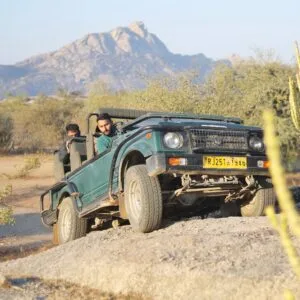
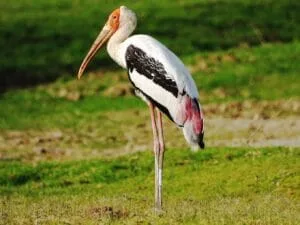
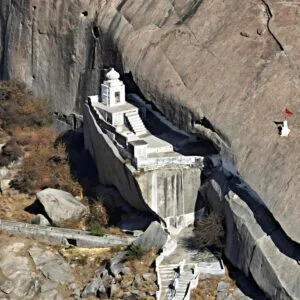
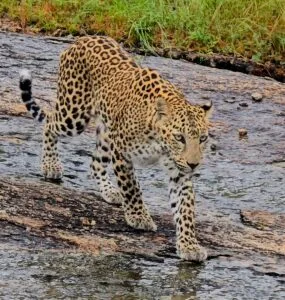
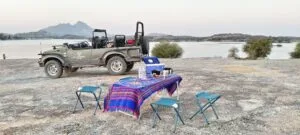
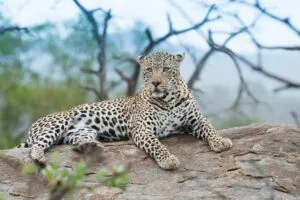
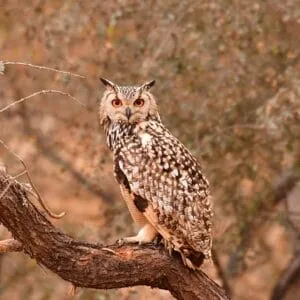
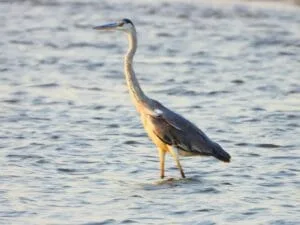
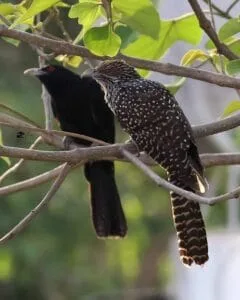
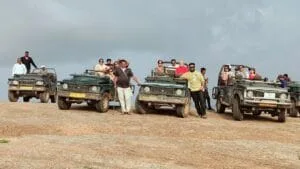
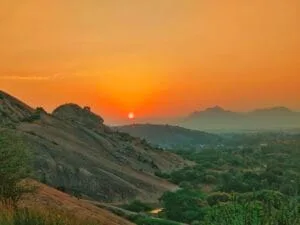
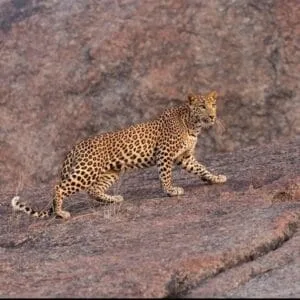
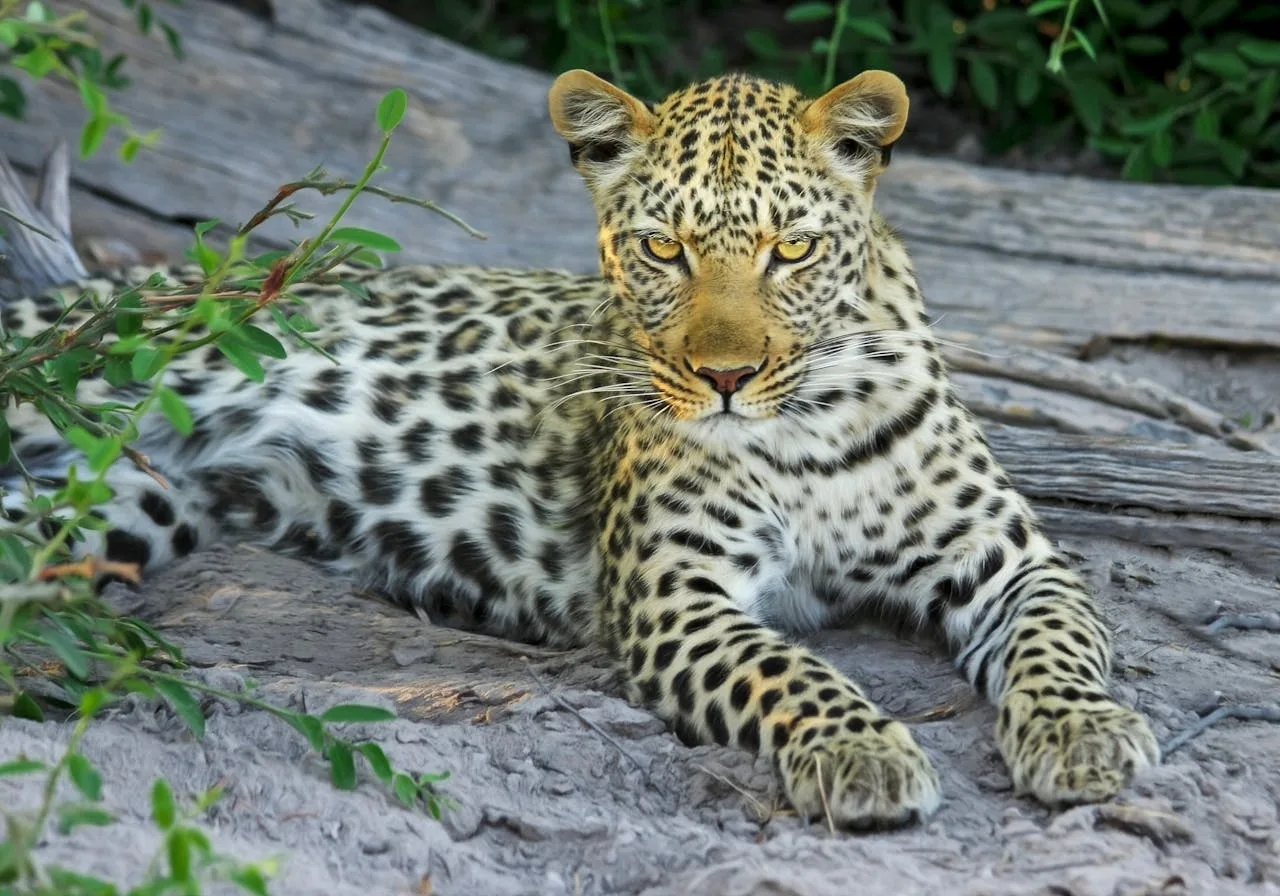
When you step into Jawai, you step into a world that feels untouched. It’s not a zoo, it’s not a man-made park — it’s the wild in its purest form. Here, leopards live on granite hills, crocodiles guard the riverbanks, and the Rabari people share their land with these creatures like family.
I’ve spent years in Jawai, and every single day here feels different. If you’re planning to visit, let me take you through everything that makes Jawai special.
Leopard Safari – Where the Wild Comes Alive
The first thing people ask is, “Will I see a leopard?”
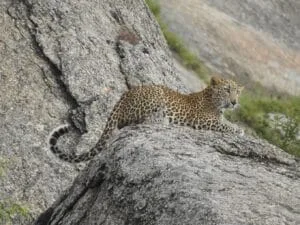
And I smile — because Jawai is one of the few places in India where leopard sightings are almost guaranteed.
- Morning Safari – Calm, quiet, and often when you spot cubs with mothers. The soft light is beautiful for photography.
- Evening Safari – My personal favorite. The rush of jeeps, the sun dropping behind the hills, and then suddenly, a leopard appears on the rocks — it’s pure adrenaline.
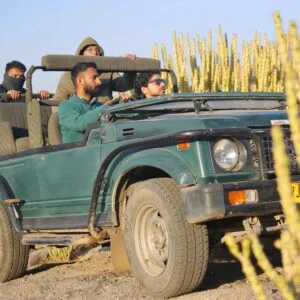
- Full-Day Safari – For real wildlife lovers, this covers everything: leopards, crocodiles, birds, village life, and even a proper lunch or high tea setup.
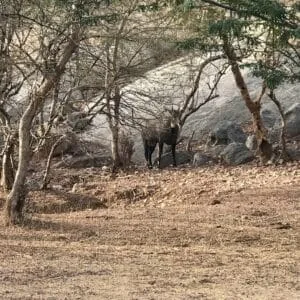
It’s not just about the leopard though — you may see hyenas, wolves, foxes, jungle cats, porcupines, and herds of nilgai.
Birdwatching & Crocodile Spotting – A Different Side of Jawai
At the Jawai Bandh (dam), the sky comes alive with wings. Thousands of migratory birds come here between October and March.
- Birds You’ll See: Flamingos, Bar-headed Geese, Demoiselle Cranes, Sarus Cranes, Painted Storks, Pelicans, and many more.
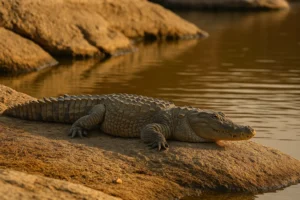
- Crocodiles: Massive mugger crocodiles often lie lazily on the banks, but the moment they slip into water, you realize who really rules the dam.
For photographers, this is heaven. A single frame can have hills, water, birds flying, and crocodiles resting.
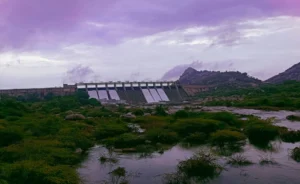
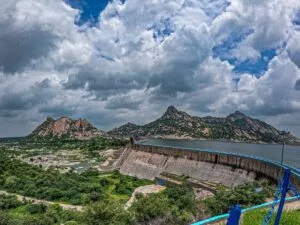
Jawai Bandh – Where Nature Stands Still
The dam is not just about wildlife — it’s about peace. I always tell guests, spend at least one evening here.
- Watch fishermen casting their nets against the sunset.
- Enjoy high tea as the sky turns orange and pink.
- Just sit quietly — the silence here is louder than any city noise.
The Rabari Connection – People Who Live with Leopards
The Rabaris are shepherds who have lived here for centuries. Their homes are simple, their hearts are warm, and their stories are unforgettable.
- Visit their village and see how they live in harmony with leopards.
- Ride camels with them across open plains.
- Join them for chai and listen to how leopards are considered divine guardians.
This human-wildlife balance is what makes Jawai truly unique.
Temples Hidden in the Hills
One of the most special things here is seeing a leopard sitting calmly above a temple. Where else in the world would you see that?
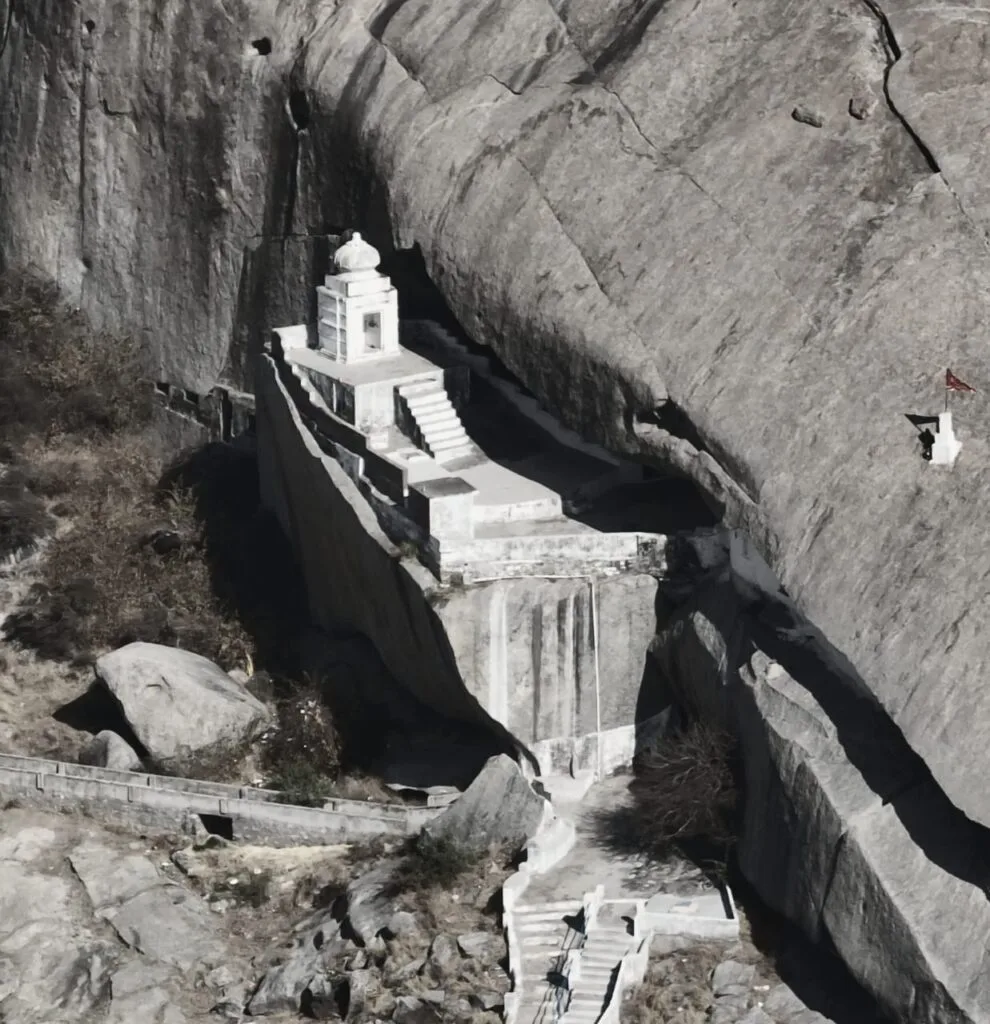
- Kambeshwar Mahadev Temple – Built inside caves, surrounded by wild.
- Devgiri Temple – A sacred spot where locals come regularly, often with leopards resting nearby.
For spiritual travelers, these temples add a whole new dimension to the Jawai experience.
Sunrises, Sunsets & The Night Sky
Some people come for leopards. Some come for peace. But almost everyone leaves talking about the skies.
- Sunrise – Misty hills, glowing rocks, and birds flying in formation.
- Sunset – The entire dam reflecting red and gold skies.
- Night – Stars like you’ve never seen before. Jawai has almost zero light pollution, making it perfect for stargazing or astrophotography.
Adventures Beyond Safaris
If you’re the kind who wants to try more than just sitting in a jeep, Jawai won’t disappoint.
- Horse Riding – Ride through wild trails, just like royals once did.
- Camel Safari – Slow, traditional, and perfect for sunsets.
- Cycling & Hiking – Explore hidden trails at your own pace.
- Off-Roading – For those who love bumpy, thrilling rides.
Food & Dining Experiences
Food here is not just about taste — it’s about the setting.
- Breakfast in the Wild – After a safari, sit down to parathas, poha, fruits, and chai in the open air.
- High Tea by the Dam – A table set against the sunset with snacks and fresh juices.
- Dinner Under the Stars – A private dining setup with local music, fire, and traditional dishes like dal baati churma.
Every meal here feels like a celebration.
For Families, Couples & Photographers
- Families – Safe safaris, cultural walks, and simple experiences make it kid-friendly.
- Couples – Sunset teas, starlit dinners, and private setups make it romantic.
- Photographers – Leopards on rocks, flocks of flamingos, Rabari portraits — every frame is magical.
Best Time to Visit Jawai
- October – April – Perfect weather, migratory birds, and excellent sightings.
- May – June – Hot but rewarding. Leopards and animals gather near water sources.
- July – September – Monsoon magic. Green hills, fresh air, but limited safaris.
Why Jawai Stays with You Forever
Jawai is not about ticking off places on a list. It’s about moments.
- A leopard staring back at you from the rocks.
- A Rabari child waving as you pass their village.
- A crocodile slipping silently into the water.
- A sky so full of stars it makes you forget your phone.
This is Jawai. Raw, real, and unforgettable.
👉 If you’re ready to experience it, I’ll help you plan everything — from safaris to village walks to those little moments that make your trip truly yours.
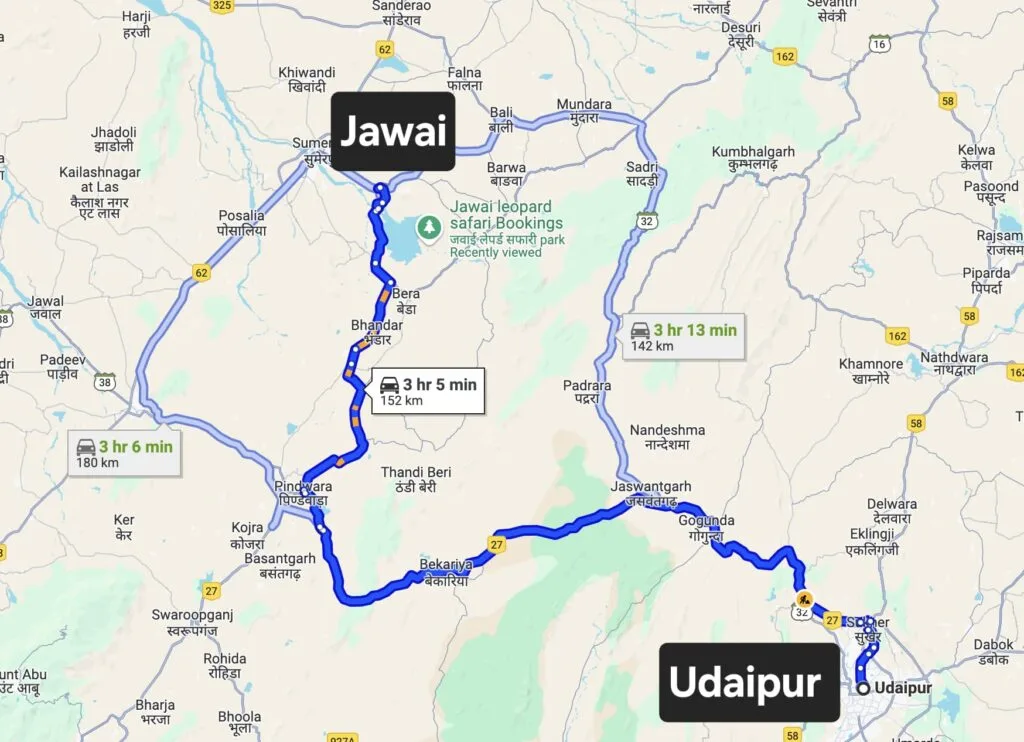
Location: Situated in the Pali district of Rajasthan, Jawai lies between Udaipur and Jodhpur.
For more on the region itself — its geology, culture, and why it has become one of India’s most distinctive wildlife destinations — see our detailed guide to Jawai, Rajasthan.
Coordinates: Latitude: 25.17°N, Longitude: 73.36°E.Nearby Cities:
- Udaipur – 150 km
- Jodhpur – 170 km
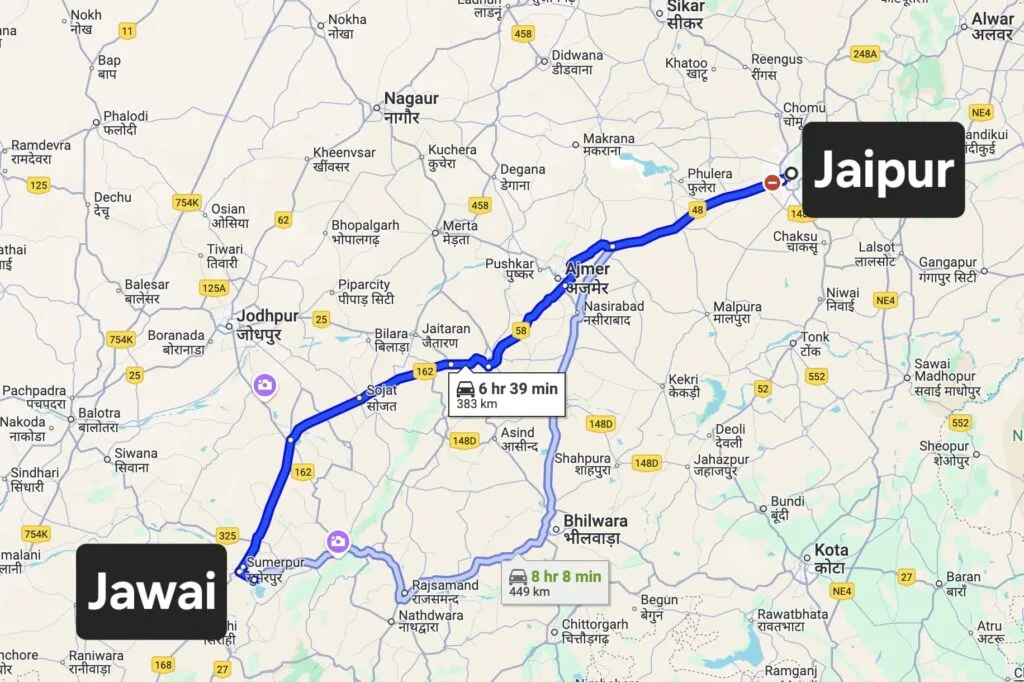
- Jaipur – 400 km
Best Entry Point: Jawai Bandh Railway Station, well connected by train and road networks.
- The name Jawai is derived from the Jawai River, which flows through the region.
- Jawai Bandh, a man-made reservoir built in 1946, is a prominent landmark. It was constructed by Maharaja Umaid Singh of Jodhpur to provide water to the surrounding villages.
- The region has a mythological significance, believed to be blessed by Lord Shiva, and the local tribes consider the leopards as guardians of the land.
Jawai is known for its rich and diverse wildlife. It is one of the few places in the world where leopards and humans coexist peacefully.
Major Wildlife Species
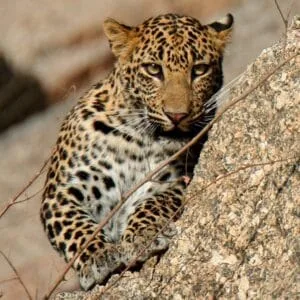
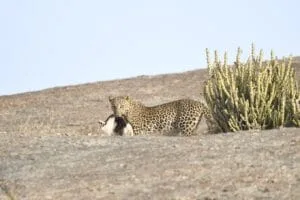
- Leopards: Jawai is home to the highest density of leopards in India. The leopards here are known for their non-aggressive behavior towards humans.
- Crocodiles: Found sunbathing along the banks of Jawai Bandh.
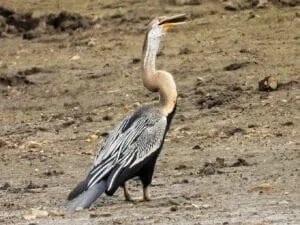
- Birds: Over 150 species of migratory and resident birds, including flamingos, pelicans, cranes, and eagles.
- Other Wildlife: Hyenas, jackals, wolves, Indian foxes, wild boars, and nilgai.
Unique Leopard Behavior
The leopards of Jawai are known for their unique behavior – they do not harm humans or livestock. This peaceful coexistence is attributed to the Rabari shepherds who regard leopards as guardians of their deities.
Jawai Bandh – The Lifeline of the Region
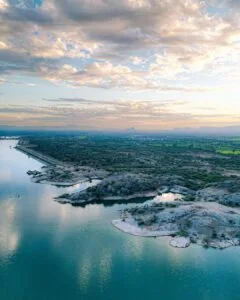
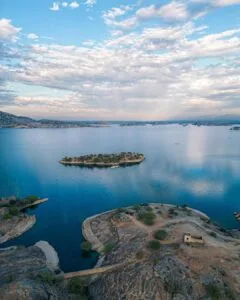
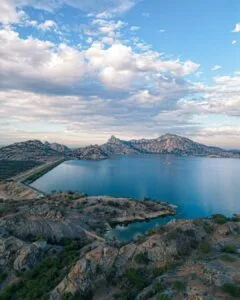
Jawai Bandh is a man-made reservoir that plays a vital role in maintaining the ecosystem and water supply of the region.
Significance of Jawai Bandh
- Water Source: It provides water to Pali, Jalore, and surrounding villages, supporting agriculture and local communities.
- Wildlife Habitat: A thriving habitat for crocodiles, leopards, and migratory birds.
- Bird Watching Paradise: Witness a variety of migratory birds during winter, including flamingos, pelicans, and cranes.
- Scenic Beauty: The serene water body with granite hills in the background makes it a perfect spot for sunrise and sunset photography.
Villages in the Jawai Region
Jawai is surrounded by several picturesque villages that showcase the rich cultural heritage of Rajasthan. The Rabari shepherds, known for their vibrant red turbans and traditional lifestyle, inhabit these villages.
Major Villages in Jawai Region
- Bera: Known as the Leopard Hills of Rajasthan, Bera is a popular spot for leopard sightings.
- Moru: A serene village surrounded by granite hills, known for its peaceful landscapes and cultural tours.
- Kothar: Famous for its ancient temples and stunning views of Jawai Bandh.
- Perwa: A culturally rich village known for Rabari traditions and handicrafts.
- Panchpadra: A scenic village with lush landscapes and traditional lifestyle.
- Jawai Bandh Village: Located near the reservoir, offering scenic views and excellent bird-watching opportunities.
- Sena: Known for its rocky terrains and leopard spotting zones.
- Devgiri: Famous for its historic temples and off-roading experiences.
- Bisalpur: A quaint village offering authentic Rajasthani experiences and scenic landscapes.
- Kalali: A small hamlet known for offbeat trails and tranquil surroundings.
Cultural Experience
- Rabari Shepherds: The Rabari tribes in these villages are known for their colorful attire, vibrant turbans, and traditional customs. They live in harmony with leopards, considering them as guardians.
- Handicrafts and Art: Witness traditional handicrafts, pottery, and folk music performed by local artists.
- Local Festivals: Celebrate traditional festivals like Gangaur, Holi, and Diwali with the locals.
Activities and Attractions
1. Leopard Tracking Safaris
- Expert-guided safaris with high chances of spotting Jawai’s majestic leopards.
- Best Time: Early morning (Sunrise Safari) and evening (Sunset Safari).
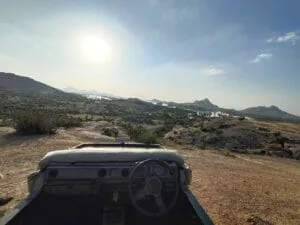
- Off-Roading Adventure: Thrilling off-roading experiences in powerful 4×4 jeeps.
2. Bird Watching
- Over 150 species of migratory and resident birds.
- Best Spot: Jawai Bandh, known for flamingos, pelicans, cranes, and eagles.
3. Cultural Tours
- Visit Rabari villages and experience local traditions, folk music, and festivals.
- Learn about Rabari lifestyle, cattle rearing, and traditional art.
4. Photography
- Sunrise and Sunset Photography at Jawai Bandh.
- Wildlife Photography with leopards, crocodiles, and birds in their natural habitat.
5. Temples and Spiritual Experience
- Kambeshwar Mahadev Temple: A spiritual retreat surrounded by lush landscapes.
- Dev Giri Temple: Situated amidst granite hills with panoramic views.
How to Reach Jawai
From Udaipur
- Distance: 150 km
- Travel Time: 3-4 hours by road
- By Car/Taxi: Private taxis available from Udaipur.
- By Train: Trains from Udaipur City Railway Station to Jawai Bandh Railway Station.
From Jaipur
- Distance: 400 km
- Travel Time: 7-8 hours by road
- By Car/Taxi: Private taxis or self-drive options.
- By Train: Direct trains from Jaipur Railway Station to Jawai Bandh Railway Station.
Best Time to Visit Jawai
- October to March: Ideal for leopard sightings and bird watching.
- April to June: High chances of leopard sightings as animals visit water sources.
- July to September: Monsoon brings lush landscapes but limited wildlife visibility.
Book Your Jawai Safari
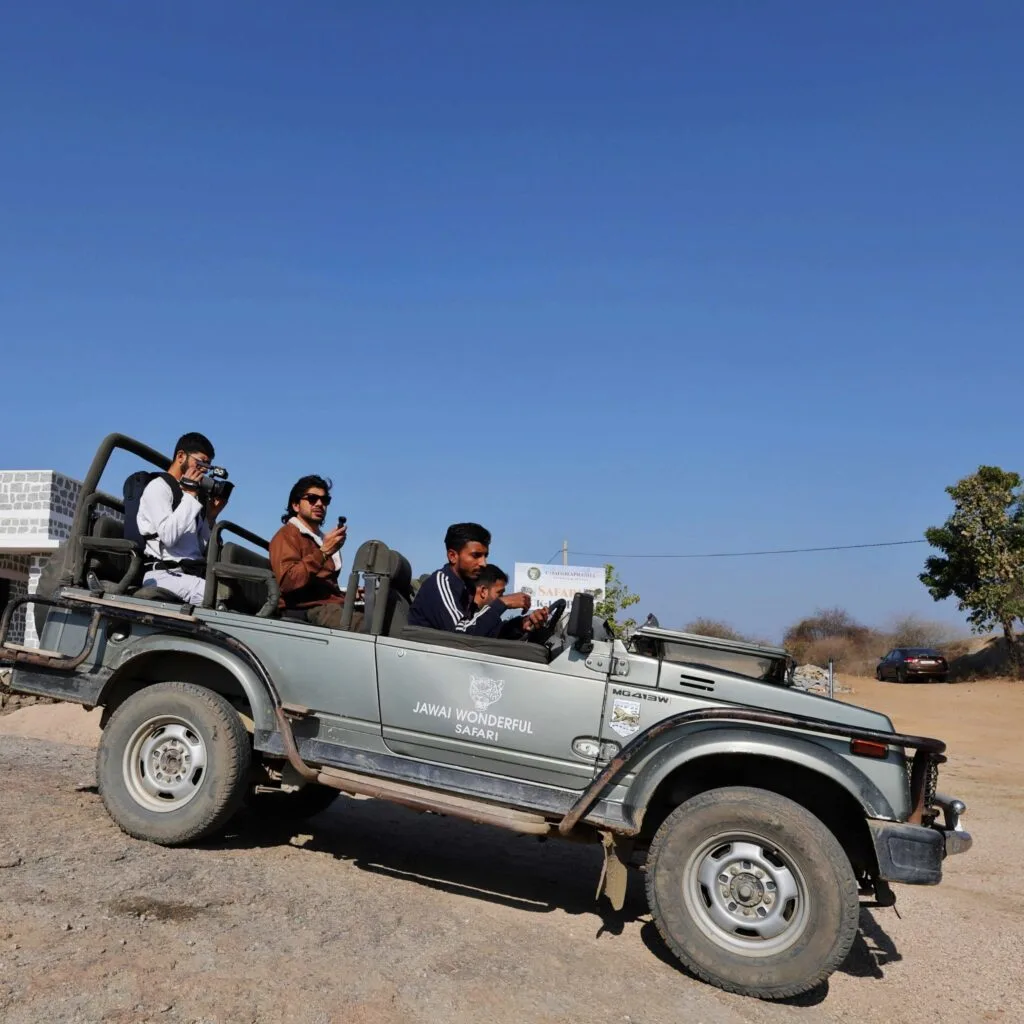
Discover the untamed beauty of Jawai with expertly guided leopard tracking safaris, thrilling off-roading adventures, and enriching cultural tours. Choose from Sunrise, Sunset, Full-Day, and Private Safaris tailored to your adventure spirit.
Reserve Your Spot Today!
Experience the wild heart of Rajasthan with Jawai Safari Booking. Book now for an unforgettable adventure!