Jawai is not a destination designed by tourism boards or shaped by modern infrastructure. Jawai is a landscape shaped by time itself — by ancient mountains, weathered granite hills, flowing rivers, resilient wildlife, and communities that learned to coexist with nature centuries ago.
Often called Rajasthan’s hidden gem, Jawai has quietly emerged as one of India’s most exclusive and authentic wildlife destinations. Yet, it remains raw, uncrowded, and deeply spiritual — a place where silence is part of the experience.
This is a complete, no-compromise guide to Jawai, covering its geography, history, Aravalli mountains, wildlife, safaris, seasons, culture, resorts, and detailed FAQs.
Jawai at a Glance
| Location | Pali district, Rajasthan, India (approx. 25.06°N, 73.16°E) |
| Also known as | Jawai Bandh; the area around it is the Jawai Bandh Leopard Conservation Reserve |
| Protection status | Conservation landscape on private, community and revenue land — not a national park, wildlife sanctuary or tiger reserve |
| Mountain range | Aravalli Range, estimated 1.5–2 billion years old — among the oldest on Earth |
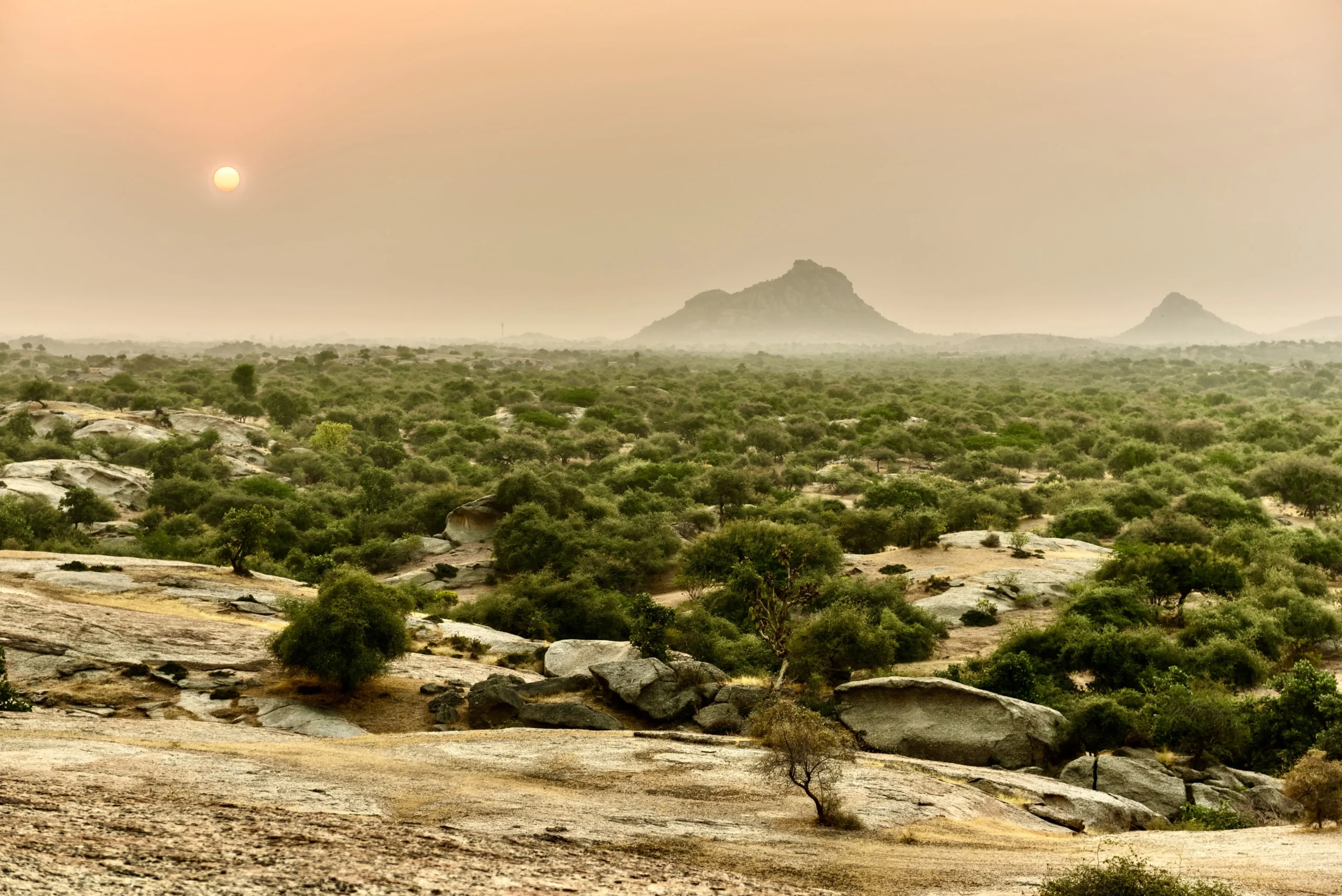
| Terrain | Weathered granite hills and caves, scrub forest, grassland and seasonal wetland |
| Jawai Dam | Built across the Jawai River, a tributary of the Luni. Conceived 1903, construction began 12 May 1946, completed 1957 under Maharaja Umaid Singh of Jodhpur. The largest dam in western Rajasthan and the main water source for Pali district. |
| Key wildlife | Indian leopard (Panthera pardus fusca), striped hyena, nilgai, chinkara, Indian fox, mugger crocodile at the dam, and 100+ resident and migratory bird species |
| People | Rabari — semi-nomadic pastoralists who have shared the hills with leopards for generations |
| Nearest airport | Udaipur (Maharana Pratap), approx. 160 km / 3 hours |
| Nearest railhead | Jawai Bandh station (Falna is a common alternative) |
| From Jodhpur | Approx. 140 km / 2.5 hours |
| Safari access | No forest-department permit or gate ticket; safaris run year-round on private and community land |
Where Is Jawai Located?
Jawai is located in the Pali district of Rajasthan, perfectly positioned between Udaipur and Jodhpur. The region is centered around the Jawai Bandh Leopard Conservation Reserve, formed around the Jawai Dam and surrounded by granite hills, scrub forests, grasslands, and seasonal wetlands.
Unlike traditional national parks, Jawai is an open conservation landscape:
- No forest gates
- No fixed safari zones
- No mass tourism crowding
This openness allows wildlife to move freely and gives Jawai its calm, organic safari character.
The Aravalli Mountains: One of the Oldest on Earth
Jawai lies within the ancient Aravalli Range, believed to be 1.5–2 billion years old, making it one of the oldest mountain ranges in the world — far older than the Himalayas.
Over millions of years, erosion reshaped these mountains into the dramatic granite hills and rocky outcrops that define Jawai today.
Why the Aravallis Matter in Jawai
- Granite caves provide natural shelters for leopards
- Elevated terrain offers strategic viewpoints for predators
- Rocky land prevents overdevelopment and preserves wilderness
- Mineral-rich soil supports unique vegetation and birdlife
When you explore Jawai, you are walking through deep geological history.
The Granite Hills of Jawai
Jawai’s massive granite formations are its most striking feature. Sculpted by time, these hills glow in shades of gold, copper, and rust at sunrise and sunset.
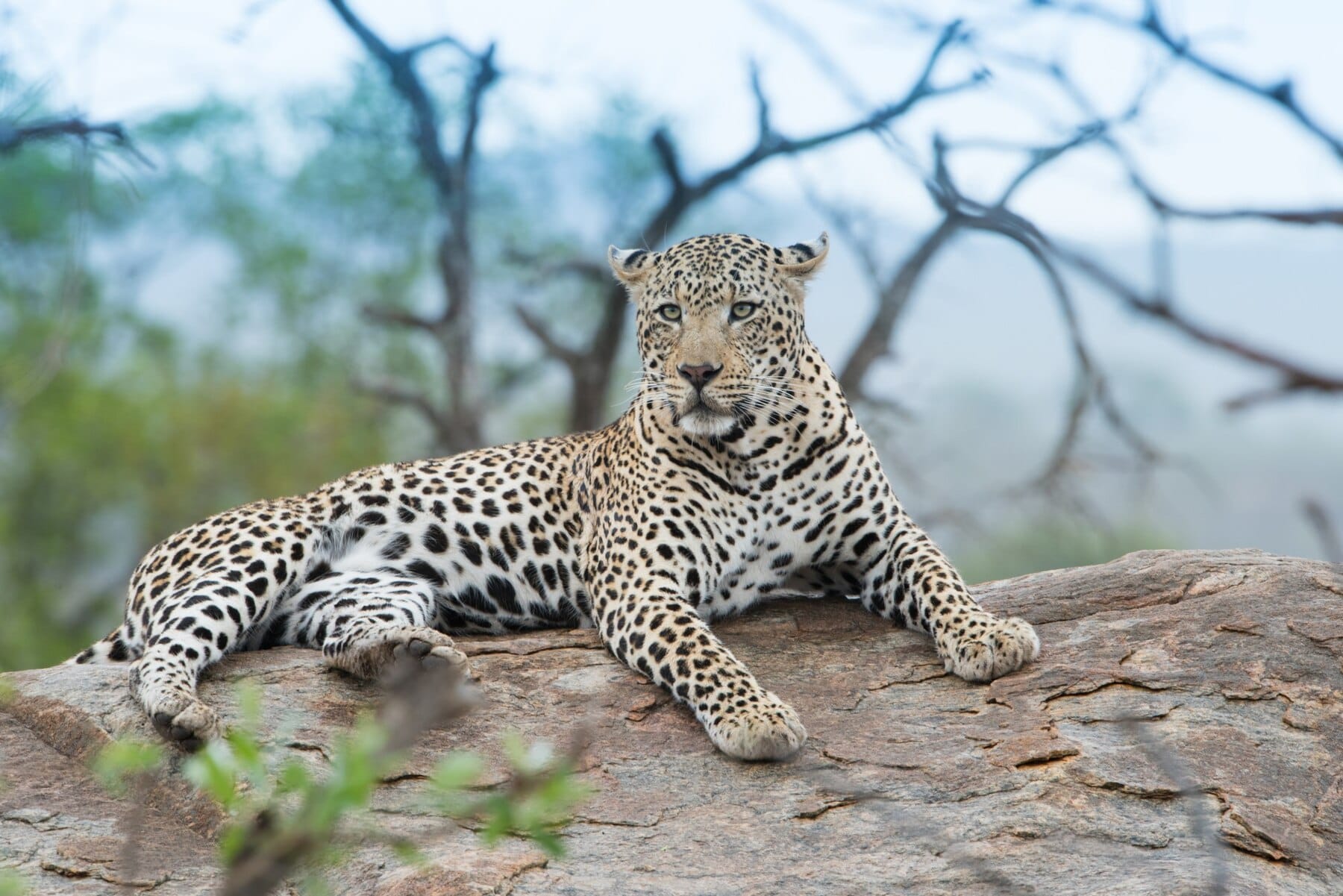
These rocks are not just beautiful — they are essential to Jawai’s ecosystem. Leopards use granite caves for shelter, resting, and raising cubs, which is why sightings here feel natural and stress-free.
This rare terrain is why Jawai looks and feels unlike any other safari destination in India.
Why Jawai Is Famous Worldwide
Jawai: The Land of Leopards
Jawai is globally known for its high density of leopards and exceptional sighting consistency. What makes Jawai special is not the number alone, but how leopards live here.
Leopards roam openly across hills, temples, and village edges, protected by local communities who believe they are guardians of the land. This belief system has resulted in:
- Minimal human-wildlife conflict
- Calm, unthreatened leopard behavior
- Ethical, non-intrusive safari experiences
Jawai stands as one of the best examples of coexistence in modern wildlife conservation.
Jawai Safari Experience: What Makes It Unique
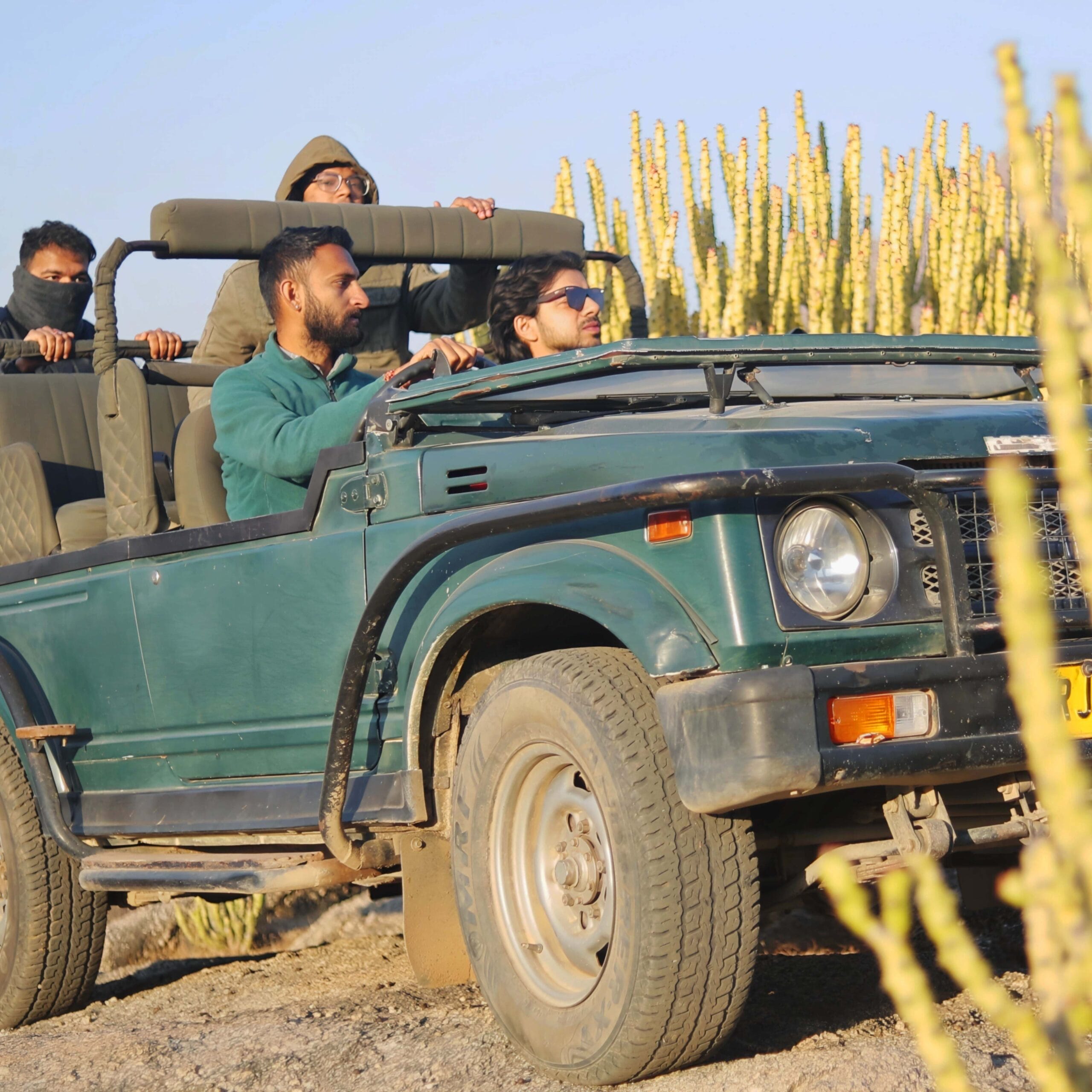
A Jawai safari is slow, quiet, and deeply immersive. There is no chasing, no crowding, and no forced sightings.
Key Characteristics of Jawai Safaris
- Mostly private safari vehicles
- Flexible routes based on real-time wildlife movement
- Local guides with generational terrain knowledge
- Ethical tracking and respectful distances
- Focus on observation, patience, and silence
Wildlife Found in Jawai
- Leopards
- Sloth bears
- Striped hyenas
- Jackals and desert foxes
- Crocodiles near Jawai Dam
- Nilgai and other herbivores
- Migratory birds, flamingos, and raptors
Every safari unfolds differently, shaped by light, movement, and mood.
Jawai Safaris Operate 12 Months a Year
Planning a cold-season visit? Our dedicated guide to Jawai in winter (2026–27) covers dawn timings, what to wear, the migratory birdlife and which dates sell out.
One of Jawai’s biggest advantages is that safaris operate throughout the year (12 months).
Unlike national parks that shut down during monsoon, Jawai’s open landscape allows year-round safari operations.
Season-Wise Safari Experience
- October to February (Winter): Cool weather, excellent visibility, ideal for photography
- March to June (Summer): Warmer temperatures with high leopard activity around water sources
- July to September (Monsoon): Lush green landscapes, dramatic skies, fewer tourists, modified safari routes
Each season offers a different version of Jawai — none better, just different.
Jawai Dam & Birdlife
The Jawai Dam was built across the Jawai River, a tributary of the Luni, near Sumerpur. The idea was first raised in 1903 after repeated monsoon flooding damaged Pali and Jalore; construction finally began on 12 May 1946 under Maharaja Umaid Singh of Jodhpur and was completed in 1957. It remains the largest dam in western Rajasthan and the principal water source for Pali district. The reservoir it created is what shaped the wetland edge of today’s conservation landscape.
The Jawai Dam is a vital ecological feature. During winter, it attracts a wide variety of migratory birds, turning Jawai into a seasonal birding hotspot.
Bird species commonly spotted include:
- Flamingos
- Pelicans
- Bar-headed geese
- Eagles and vultures
- Waterfowl and waders
The contrast of water, granite hills, and wildlife creates Jawai’s signature landscape.
Jawai Resorts & Stay Experience
Jawai has gained global attention for its luxury and boutique safari stays, yet its luxury remains subtle and nature-focused.
What Defines Jawai Resorts
- Low-density properties
- High privacy and exclusivity
- Personalized hospitality
- Nature-centric architecture
- Experiences like hilltop breakfasts and sunset high teas
Luxury in Jawai complements nature — it never overpowers it.
Culture, Temples & Local Communities
Jawai is deeply influenced by the Rabari community, a pastoral group known for their respect for wildlife and nomadic traditions.
Visitors can explore:
- Ancient hilltop temples carved into granite
- Village walks and pastoral life
- Local folklore and spiritual beliefs
- Rural Rajasthan in its purest form
This cultural depth gives Jawai its soul.
Why Jawai Remains Uncrowded
Despite international recognition, Jawai remains exclusive due to:
- Rocky terrain unsuitable for mass construction
- Community-led conservation
- Absence of large commercial tourism projects
Jawai attracts travelers who value depth, authenticity, and privacy.
Frequently Asked Questions (FAQs) About Jawai
What is Jawai famous for?
Jawai is famous for leopard safaris, ancient Aravalli mountains, granite hills, ethical wildlife tourism, and peaceful coexistence between humans and leopards.
Where exactly is Jawai located?
Jawai is in Rajasthan’s Pali district, between Udaipur and Jodhpur, within the Jawai Bandh Leopard Conservation Reserve.
Is Jawai a national park?
No. Jawai is an open conservation landscape, not a national park.
Do Jawai safaris operate all year?
Yes. Jawai safaris operate 12 months a year, including monsoon season.
Why are leopard sightings common in Jawai?
Leopards live in open granite terrain and caves, making natural sightings more frequent and ethical.
Is Jawai safe for tourists?
Yes. Jawai is very safe when explored with experienced and registered safari operators.
How many days are enough for Jawai?
A stay of 2–3 nights is ideal to experience multiple safaris and local culture.
Is Jawai suitable for luxury travelers?
Absolutely. Jawai is one of India’s most exclusive luxury safari destinations.
Final Thoughts
Jawai is where billion-year-old Aravalli mountains, granite hills, leopards, water bodies, and ancient belief systems converge. It is not about rushing through sightings — it is about slowing down and becoming part of the landscape.
For anyone searching for Jawai, this is not just a destination.
It is a reminder of how nature and humans can coexist — beautifully.