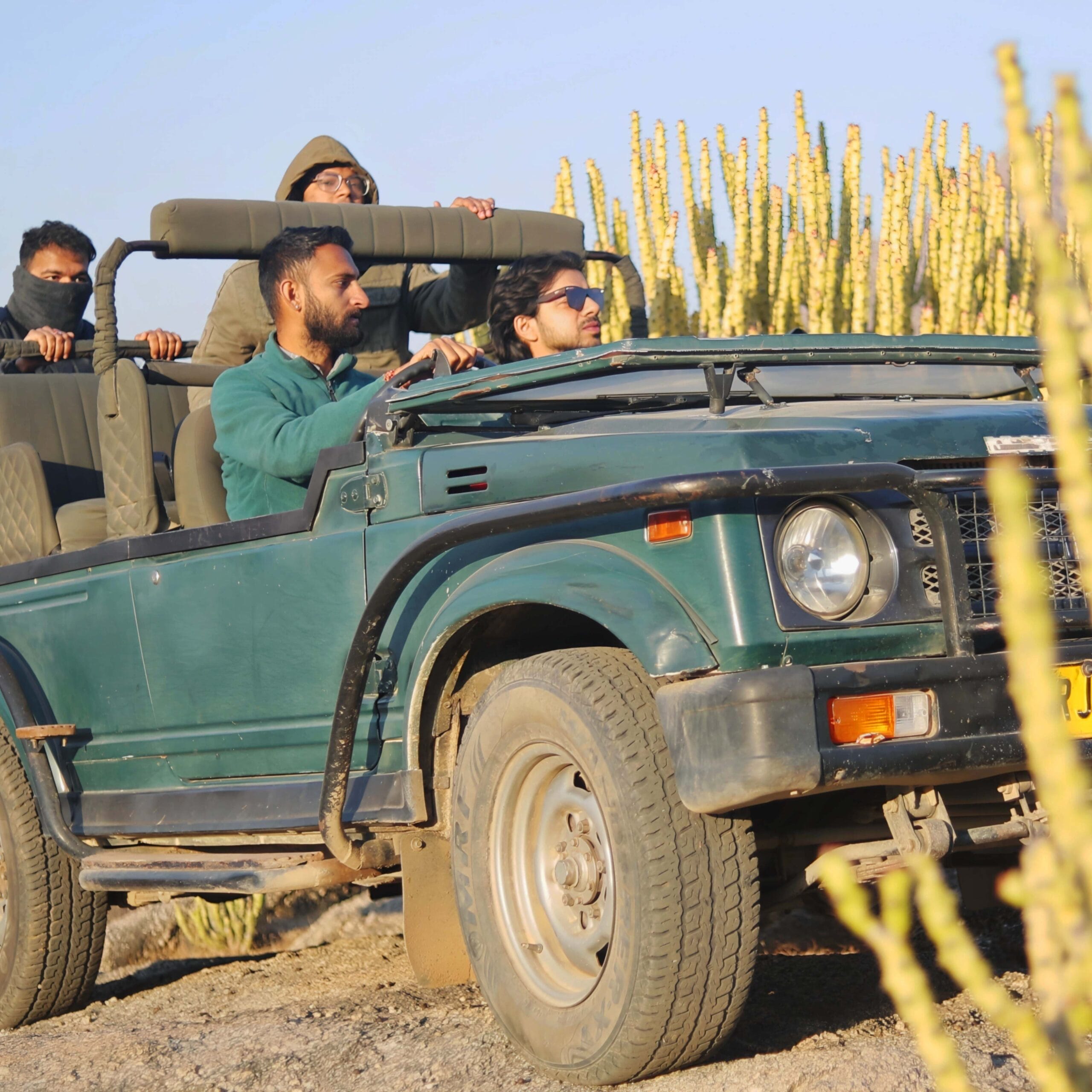
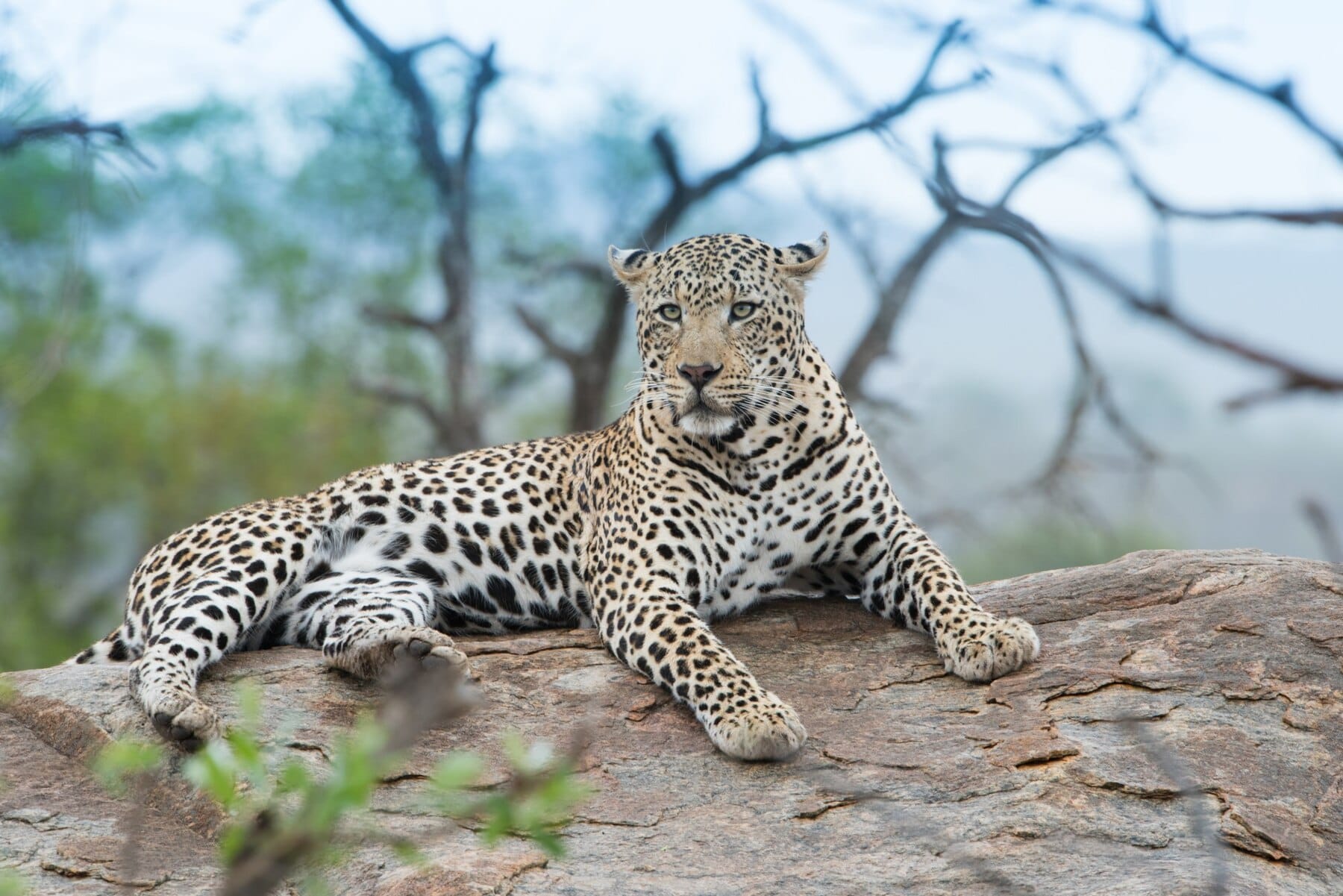
Search for a Jawai leopard safari and you will often see it described as a “national park” or “wildlife sanctuary.” It is one of the most common misunderstandings about the region. So let us settle it clearly: Jawai is not a national park. It is something rarer, and understanding what Jawai actually is explains exactly why its leopard safaris feel so different from Ranthambore or Sariska.
So, Is Jawai a National Park?
No. Jawai is not a national park, and it is not a government-run tiger reserve either. Jawai (also called Jawai Bandh) is a conservation landscape in the Aravalli hills of the Pali district in Rajasthan, spread around the Jawai Dam. Its leopards live wild among granite hills, caves and grasslands rather than inside a fenced, forest-department park.
Because Jawai is not a gazetted national park, there are no forest-gate ticket counters or fixed government entry timings like you would find at Ranthambore. Safaris here run across private and community land, guided by local trackers who know exactly where the leopards rest. That single fact is what makes a Jawai leopard safari so uncrowded, flexible and personal.
National Park vs. Sanctuary vs. Conservation Area — Where Jawai Fits
India protects wildlife through several legal categories, and Jawai does not fall into the strictest ones. Here is how they compare:
| Type | What it means | Example |
| National Park | Strictly protected government land; no private activity; fixed forest-gate timings and permits | Ranthambore National Park |
| Wildlife Sanctuary | Protected area with some regulated human activity allowed | Kumbhalgarh Sanctuary |
| Conservation Landscape (Jawai) | Wildlife thrives on private, community and revenue land; leopards coexist with people; no forest-department gates | Jawai |
In short, Jawai is a living, working landscape where wildlife and people share the same hills — not a cordoned-off park.
Why This Makes Jawai Special
- No jeep queues. Without fixed forest gates, you rarely find rows of vehicles crowding a single sighting.
- Genuine coexistence. Leopards share the granite hills with the Rabari shepherd community — a relationship found almost nowhere else on earth.
- Flexible timings. Safaris are scheduled around light and leopard movement, not a government gate clock.
- High sighting rates. The dense leopard population and open granite terrain give Jawai some of India’s most reliable leopard sightings.
- More than leopards. Crocodiles at the Jawai Dam, hyenas, nilgai, foxes and hundreds of resident and migratory birds.
Do You Need a Permit for a Jawai Safari?
You do not need to queue at a forest-department counter as you would at a national park. Safaris are arranged directly through local operators, who handle the vehicle, tracker and route. You simply book your slot in advance — especially during the busy October-to-March season — and your safari is ready when you arrive.
Where Is Jawai Located?
Jawai sits in the Pali district of Rajasthan, roughly midway between Udaipur and Jodhpur, within the ancient Aravalli range. It is about a 3-hour drive from Udaipur and around 2.5 hours from Jodhpur. For a full breakdown of the region’s villages — Sena, Bera and Sumerpur — and how to reach them, see our guide on where exactly Jawai is. Travelling from Udaipur? Our Udaipur to Jawai guide covers the route, taxi and itinerary in detail.
Frequently Asked Questions
Is Jawai a national park or a wildlife sanctuary?
Neither. Jawai is a conservation landscape where leopards live on private and community land alongside the Rabari shepherd community, without the fenced boundaries and forest gates of a national park.
Is Jawai a tiger reserve?
No. Jawai is famous for leopards, not tigers. It is not a designated tiger reserve — it is a leopard-rich conservation area in the Aravalli hills.
Do I need a forest permit to visit Jawai?
There is no forest-gate permit system like a national park. You simply book a safari with a local operator in advance, and the vehicle, tracker and route are all arranged for you.
Why are there no fixed safari timings at Jawai?
Because Jawai is not a government park with gate hours, safaris are timed around the best light and leopard activity — usually early morning and late afternoon — giving you a more natural, flexible experience.
Experience Jawai for Yourself
Jawai may not be a national park, but that is precisely its magic — wild leopards, open granite hills, and a community that has lived alongside them for generations. To plan your visit or check availability, book your Jawai leopard safari or explore our luxury resort & safari packages.