A Jawai leopard safari is not a typical national-park safari. There are no fixed gates, crowded tourist routes or long queues of vehicles. Instead, you drive through the granite hills, open farmland and villages around Sena, following a local tracker who knows the leopard territories and the caves where cats regularly rest. If it is your first visit, here is what the experience actually looks like — from the moment you arrive to the final sunset over the Jawai hills.
One thing to know before you book: Jawai is a region, not a single town. Our leopard safaris operate around Sena village in Rajasthan’s Pali district, with the granite hills forming the centre of the safari landscape. If you are unsure where to stay or where your safari starts, read our guide to where your Jawai safari actually starts before planning your journey.
What happens on a Jawai leopard safari
A typical safari lasts around three hours and is designed around the natural activity of the leopards. You can choose a sunrise safari or sunset safari, depending on your schedule and the season.
| Safari | Typical timing | What you experience |
|---|---|---|
| Sunrise safari | Around 6 AM | Cooler weather, golden morning light and active wildlife |
| Sunset safari | Around 4–5 PM | Warm evening light, leopard movement and dramatic landscapes |
| Full-day safari | Morning + afternoon | More time across different leopard territories |
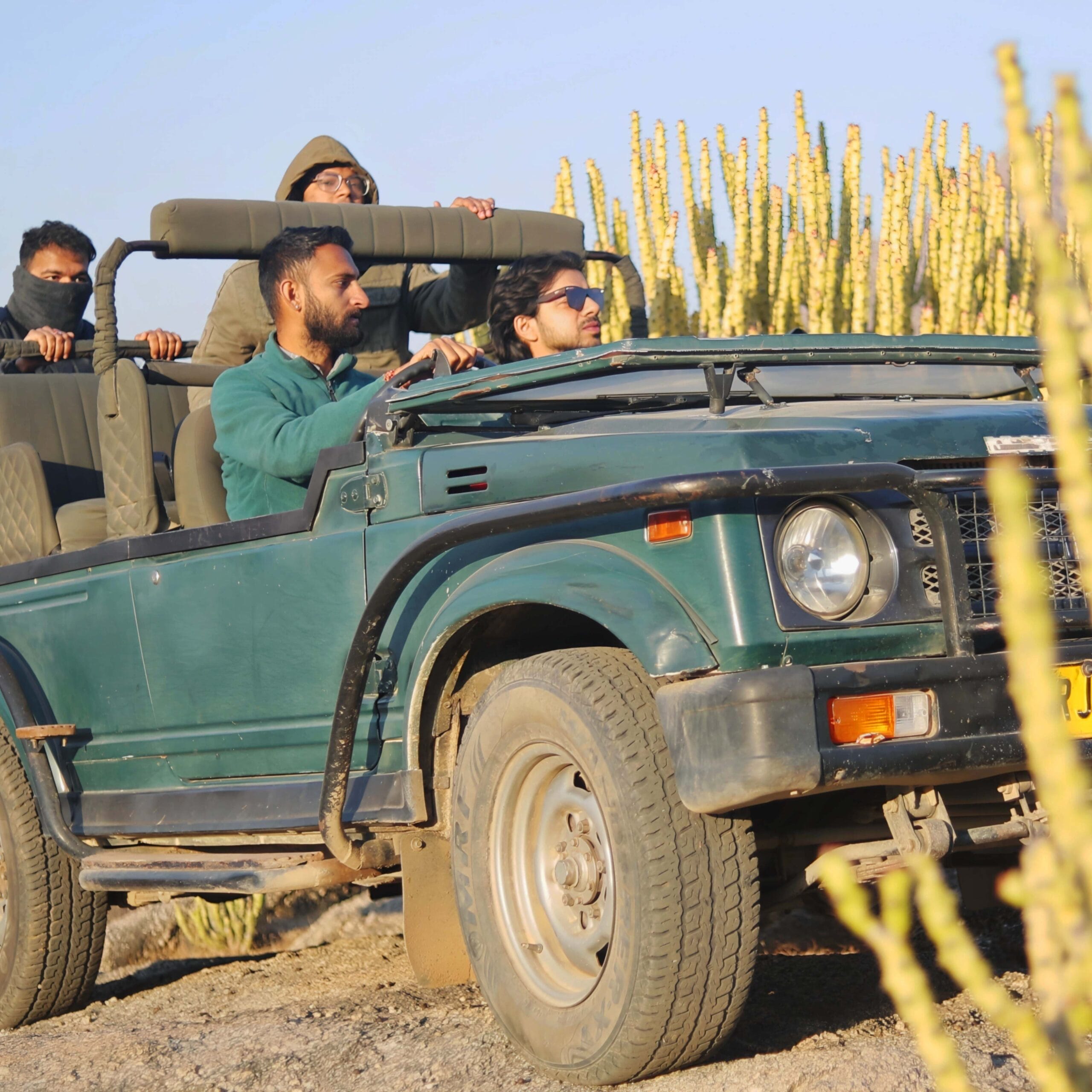
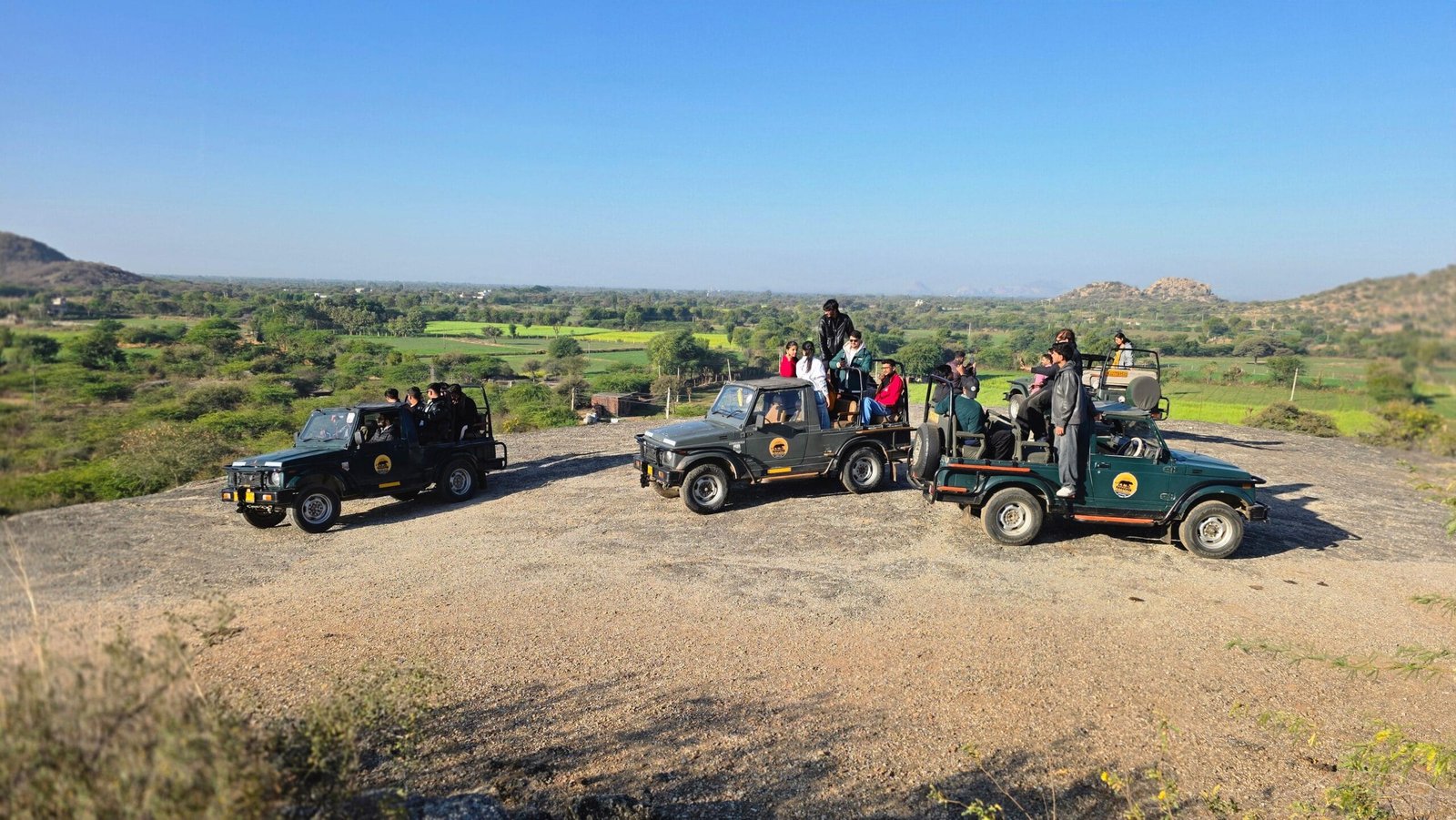
The safari is conducted in a private open Gypsy for up to six guests. Your local tracker decides the route based on recent sightings, animal movement and the conditions on the day.
The journey starts in the granite hills
The first thing you notice is the landscape.
Jawai is famous for its enormous rounded granite boulders, rocky hills and caves rising above open fields. These natural formations are not just beautiful scenery — they are also where the region’s leopards live.
The jeep moves slowly through the safari area, stopping at viewpoints and known leopard territories. Your tracker watches the rocks, caves and surrounding fields for movement while keeping a safe distance from wildlife.
You may see a leopard immediately, or you may spend time exploring the landscape before finding one. Wildlife sightings are never guaranteed, but the open terrain often gives you excellent visibility when an animal is active.
Why Jawai’s leopards are different
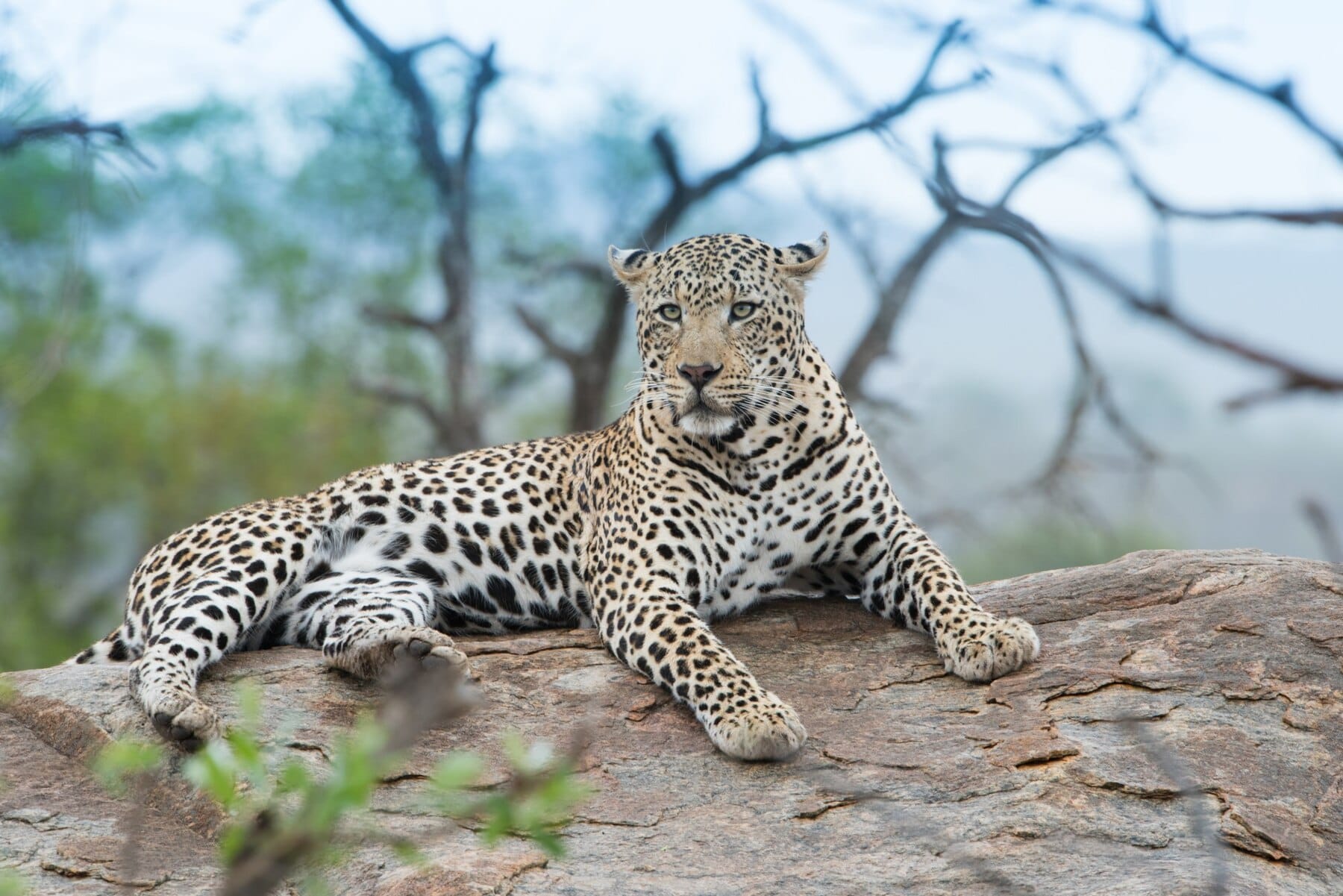
Jawai’s leopards have adapted to a landscape shared with people, livestock and traditional villages.
The cats often use caves and rocky shelters during the day before becoming more active around sunrise and sunset. This makes the timing of the safari particularly important.
The area is also home to other wildlife, including mugger crocodiles, birds of prey, migratory birds and other species around Jawai Bandh.
If wildlife photography is your priority, tell the safari team when booking. Your tracker can take recent animal movement and your interests into account while planning the drive.
Sunrise or sunset safari — which should you choose?
If you only have time for one drive, choose according to your travel schedule.
Sunrise is cooler and quieter, with soft light over the hills. It is particularly pleasant during the winter months when mornings can be cold.
Sunset offers warmer golden light and a dramatic atmosphere as the granite hills change colour. It also works well if you arrive in Jawai during the afternoon.
If you have enough time, doing both gives you two different experiences of the same landscape. Our sunrise vs sunset Jawai safari guide explains the differences in more detail.
What else can you see around Jawai?
A leopard safari can easily become a wider wildlife experience.
Depending on your itinerary, you can add:
- Jawai Bandh for crocodiles and waterbirds
- Migratory birds during the winter months
- Granite viewpoints overlooking the countryside
- Local Rabari villages
- Hilltop temples and caves
- Sunset and stargazing experiences
If you have two or three days, our Jawai itinerary guide shows how to combine safaris with the region’s other experiences.
What should you carry for the safari?
Keep it simple.
Carry water, sunglasses, sunscreen, a light jacket in winter and a camera or phone. Neutral-colored clothing is useful for photography, and comfortable shoes are recommended if you plan to spend time outside the vehicle at permitted stops.
For winter sunrise drives, temperatures can be surprisingly low, so bring an extra layer.
How much does a Jawai leopard safari cost?
Our sunrise or sunset safari is ₹4,000 per private jeep for up to six guests. A sunrise-and-sunset combination is available for ₹7,499, while private full-day options are also available.
Prices can vary on festival dates and long weekends, so confirm your exact date before traveling.
Frequently asked questions
Are leopard sightings guaranteed in Jawai?
No wildlife safari can guarantee a leopard sighting. The tracker uses recent information about leopard movement and known territories to maximize your chances, but animals remain wild and unpredictable.
How many people can join one jeep?
A private safari jeep can accommodate up to six guests.
Is Jawai suitable for first-time safari travelers?
Yes. The safari is straightforward, and the tracker guides you throughout the experience. You do not need previous wildlife-safari experience.
What is the best time to visit Jawai?
October to March is particularly comfortable because of cooler weather and winter bird life around the dam. Leopard safaris can also be enjoyed outside these months.
Ready for your Jawai leopard safari?
Tell us your travel dates and number of guests, and we’ll help you choose the right safari slot and stay. Book your Jawai safari online, or message us on WhatsApp with your dates and we’ll help plan the experience.